Corona Del Mar Locksmith Service Team
Local locksmith team
May 14, 2026 11 min read
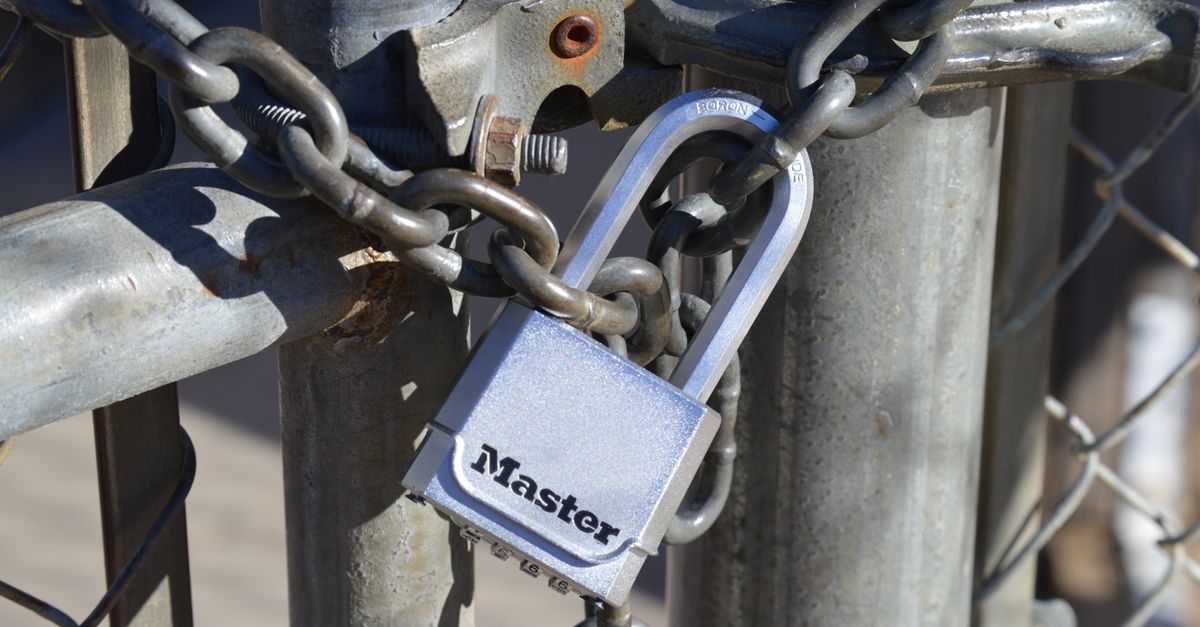
If you live near the water in Corona Del Mar — whether you're a few blocks from Inspiration Point, on the bluffs above Little Corona Beach, or tucked into one of the canyon streets off Pacific Coast Highway — you've probably noticed that things made of metal don't last as long here as they do inland. Your patio furniture rusts faster. Your car's trim loses its shine sooner. And your door locks? They stick, grind, feel stiff in the morning, or suddenly stop turning altogether. That's not a coincidence. It's salt air at work, and it attacks locks relentlessly.
Corona Del Mar's coastal microclimate delivers a near-constant mist of airborne salt particles that settle into every exposed metal surface — including the internal pins, springs, and cylinders of your door locks and deadbolts. The result is corrosion that builds invisibly over months until, one night, your key won't turn or your door won't open. This guide explains exactly what's happening inside your locks, how to maintain them before they fail, and when it's time to call a professional — especially when a mortise lock or a more complex mechanism is involved.
## Why Salt Air Is Especially Brutal on Mortise Locks and Door Knob Locks
Standard pin-tumbler locks — the kind inside most door knob locks and deadbolts — rely on tight tolerances between tiny spring-loaded pins and a rotating cylinder. When salt air infiltrates that cylinder, it reacts with the brass and steel components to form corrosion compounds that essentially act like fine sandpaper inside your lock. Over time, the pins no longer glide freely, the springs weaken, and the cylinder drags. Locks that face the ocean breeze — on your front door, your garden gate, your garage side entry — are exposed to this process 365 days a year. Mortise locks, which are common in older Corona Del Mar craftsman homes and newer upscale builds alike, are larger and more mechanically complex, which means they have more internal parts that can corrode and more labor involved when a professional needs to service them.
The corrosion problem isn't just a nuisance. A lock that sticks and then suddenly frees itself may feel like it's working — until the day it doesn't free itself at all. A cylinder that's seized internally won't be fixed by a new key or more force. It needs to be serviced or replaced by someone who understands the mechanism. If you've been forcing a sticky key for weeks, consider that a warning. Locks in coastal neighborhoods like CDM tend to fail completely and without much additional warning once corrosion reaches a certain threshold.
## How to Change a Lock (or Know When to Rekey One Instead)
Here's a distinction that saves homeowners real money: not every failing or corroded lock needs to be fully replaced. If the lock hardware itself is structurally sound but the keyway has been compromised — for example, you've moved into a home on Carnation Avenue and don't know who has copies of the existing keys — then rekeying is the right call. When a locksmith rekeys a lock, they change the internal pin configuration so that old keys no longer work and a new key is cut to match. It's faster than a full swap and costs less in parts. If, however, the lock body itself is corroded, the cylinder is seized, or the mechanism is failing, then you're looking at how to change a lock entirely — swapping the old hardware for a new unit.
For a standard deadbolt replacement, a prepared homeowner with the right tools can handle a like-for-like swap on a straightforward door. But how to change a door lock shifts from a DIY job to a professional one the moment a mortise lock is involved. Mortise locks require routing into the door's edge, precise alignment of the faceplate and strike plate, and adjustment of the multipoint latch geometry. Getting that wrong can leave your door misaligned or your lock non-functional. If you're unsure whether your lock is a mortise type, look at the door's edge: a mortise unit will show a large rectangular metal case rather than a simple round latch bolt assembly. When in doubt, call our team at 949-666-1630 before you start removing hardware — we can advise you over the phone and dispatch a technician if needed.
## Practical Coastal Lock Maintenance: What Actually Works
Prevention is dramatically cheaper than emergency service, and for coastal locks, a three-step seasonal routine makes a real difference. First, clean the keyway and face of each exterior lock with a dry cloth to remove visible salt deposits — never use water directly on a lock face. Second, lubricate the cylinder. Use a graphite-based or PTFE dry lubricant, not WD-40 or oil-based sprays, which attract dust and salt particles and accelerate buildup over time. Insert the straw applicator into the keyway, apply a short burst, and work the key in and out several times to distribute the lubricant. Third, inspect the strike plate and the bolt itself for surface rust or pitting. Light surface rust on a strike plate can be cleaned with a fine steel wool pad; deep pitting on the bolt or cylinder face usually signals it's time to replace.
For keypad door locks — increasingly common in CDM homes for their convenience — the maintenance picture is a bit different. The electronic components themselves are usually well-sealed, but the keypad face collects salt residue that can cause buttons to stick or register double presses. Wipe the keypad face with a lightly damp cloth monthly. Battery contacts inside the housing can also corrode in humid coastal air; inspect them annually and apply a small amount of dielectric grease to the contacts to slow oxidation. If your keypad lock's code stops accepting correctly or the buttons feel unresponsive, that's often a battery contact issue before it's an electronic failure. Check the batteries and contacts before assuming the lock needs replacement. And if you need to know how to change the code on your keypad door lock after servicing, the sequence is typically outlined on a card in your original packaging — or our technicians can walk you through the reset process on-site.
## Emergency Locksmith Response When Corrosion Has Already Won
Sometimes maintenance doesn't happen in time, and you're standing outside your home on Marguerite Avenue at midnight with a key that won't turn. This is where having a local emergency locksmith matters. Our mobile team serves Corona Del Mar and the surrounding communities around the clock — there's no after-hours answering service, no next-day callback window. When you call 949-666-1630, you reach a real person who dispatches a technician directly to your location.
How long does it usually take for a locksmith to come? Response time depends on your exact location, current traffic on PCH, and how many calls are active at the time — but for most Corona Del Mar addresses, our technicians arrive well within the window we quote you when you call. We'll also confirm an exact up-front price before any work begins. The factors that shape a final quote include the lock type (a standard deadbolt, a door knob lock, or a complex mortise lock each involve different labor and parts), the time of day, travel distance, and whether replacement hardware is needed. We never begin work without your clear approval of the quoted price. On the vehicle side — for drivers locked out of a car on Coast Highway or in the Goldenrod parking area — our team handles automotive lockouts and can also address the question of whether a locksmith can reprogram a key fob, which depends on the vehicle's make, model, and security system architecture. We'll let you know exactly what's possible when you call.
## What Our Locksmiths Do: A Full Picture of Coastal Lock Services
People often think of a locksmith as someone who just opens doors. Our work in Corona Del Mar covers a much wider range of situations and hardware types. Below is a representative look at what our team handles on a typical week in this area — residential, automotive, and commercial calls alike. Residential services include mortise lock installation and repair, deadbolt replacement, how to change a lock on a front or back door, rekeying after a move or lost key, door knob lock service and replacement, keypad lock installation and battery contact maintenance, how to change code on door lock systems including keypad and electronic models, master key system setup for multi-unit properties, sliding door lock repair, gate lock service, mailbox lock replacement, window lock installation, garage door lock mechanisms, broken key extraction, and lock-out response for homes and apartments. On the commercial side — and Corona Del Mar has a real commercial strip along PCH through the village — we handle high-security mortise lock installation for retail and office spaces, access control hardware, commercial deadbolt replacement, panic bar and exit device service, and rekeying for tenant changes. For drivers, we cover lockout response for all major vehicle makes, transponder key cutting, key fob programming where the vehicle architecture supports it, broken ignition key extraction, and duplicate key cutting. Every service call begins with an assessment of what you actually need — we don't recommend replacing a lock that can be rekeyed, and we don't patch a lock that genuinely needs replacement.
## Smart Upgrades Worth Considering for Coastal Homes
If your current locks are original to a home built more than ten years ago and you're close to the water, the corrosion timeline is working against you regardless of how well you maintain them. This is a logical time to consider upgrading to marine-grade or coastal-rated hardware. Manufacturers like Schlage and Kwikset both offer lines designed with higher corrosion resistance — stainless steel internals, sealed cylinder housings, and finishes rated for salt-air exposure. These locks cost more upfront but hold up far longer in an environment like CDM. For homes where security is a priority, a properly installed mortise lock with a grade-1 cylinder is one of the most robust options available — and it's something our team installs regularly across the area.
If you're also thinking about a keypad or smart lock, the same coastal-rated consideration applies. Look for units with an IP-rated weather seal on the keypad face. Our technicians can recommend specific models that suit your door prep and your security goals — and we'll handle how to change the door lock code setup during installation so you're not guessing at the programming sequence later. Whether you're upgrading one entry point or rekeying an entire property, the right starting point is a call to 949-666-1630. We're here 24 hours a day, every day, and we'll give you a straight answer about what your locks actually need.
Frequently asked questions
What is a locksmith call out fee and how is it determined?+
A call out fee covers the cost of dispatching a technician to your location — it accounts for travel time, fuel, and the technician's availability. The factors that shape the final quote include your address relative to our current service area, the time of day (overnight and weekend calls involve different logistics), the type of lock or vehicle involved, and whether parts need to be sourced. We confirm an exact up-front price before any work begins, so there are no surprises on your bill.
How much does an emergency locksmith cost near me in Corona Del Mar?+
There is no single flat rate because the total depends on several variables: the type of service needed (a simple residential lockout is a different scope than a mortise lock replacement or a key fob programming job), the time of call, how far our nearest technician needs to travel, and any hardware required. What we can promise is that we quote a confirmed price before we start — you agree to it first, and that's what you pay.
Can a locksmith reprogram my key fob?+
In many cases, yes — but it depends on the vehicle's make, model, and security system. Some manufacturers allow a locksmith to program a new fob using specialized equipment; others require a dealership module. When you call us at 949-666-1630, we'll ask for your vehicle details and tell you upfront what's possible and what the process involves for your specific car. We handle key fob work for a wide range of makes and will be straightforward if your vehicle is one that requires a different approach.
How long does it usually take for a locksmith to come to a Corona Del Mar address?+
Response time varies based on your specific location, current technician availability, and traffic conditions — PCH through the village and Canyon Acres Drive can both slow travel at peak hours. When you call 949-666-1630, we give you a realistic arrival window based on actual conditions at that moment, not a generic estimate. Our team operates 24 hours a day, 7 days a week, so there is no time when a call goes unanswered or falls into a queue.